
Essential Principles of Minimalist Home Design in the UK
Minimalist design principles in UK home decor basics focus on simplicity, functionality, and intentionality. The core of minimalist UK homes lies in decluttering spaces to create calming, open environments that emphasise quality over quantity. Minimalism here means more than just removing excess; it involves purposeful choices that reflect British lifestyles and architectural nuances.
Key characteristics of minimalist design in British homes include clean lines, neutral colour schemes, and the use of natural light to enhance space perception. UK homes often face space limitations, so minimalism adapts by favouring multi-functional rooms and storage solutions that maintain order without sacrificing aesthetic appeal.
Have you seen this : What Innovative Technologies Are Transforming UK Home Living?
Adapting core principles to UK lifestyles means thoughtfully integrating design with practical needs such as accommodating family life or managing smaller flats common in urban areas. The emphasis lies on selecting elements that serve dual purposes, reducing visual clutter while improving functionality. This pragmatic approach makes minimalist UK homes not only peaceful and elegant but also practical and inviting, tailored to the everyday realities of British living.
Furniture Selection for UK Minimalist Spaces
Selecting the right minimalist furniture is crucial for creating serene and practical interiors in UK homes. Given space constraints common in many UK properties, prioritising multi-functional furniture provides essential versatility. Pieces like sofa beds, extendable tables, or storage ottomans combine function without overcrowding rooms.
Topic to read : What Innovative Technologies Are Transforming UK Home Living?
When choosing minimalist furniture, UK residents should focus on simple, clean lines and neutral colours that complement the home’s overall décor. Quality and comfort remain non-negotiable, ensuring furniture serves both aesthetic and practical needs. For durability and style, many turn to established UK interior brands known for minimalist design, such as Made.com or Habitat.
Sourcing furniture locally or online allows exploring designs tailored to British tastes and space requirements—another advantage is supporting domestic businesses. Consider materials that are easy to maintain and sustainable, aligning with minimalist values of long-term use and environmental consciousness.
In sum, the ideal minimalist furniture for UK homes achieves a balance of simplicity, function, and quality. Opting for adaptable pieces avoids clutter and maximises usable space, enhancing the tranquil feel integral to minimalist UK interior design.
Decluttering Strategies for British Homes
Mastering decluttering tips UK begins with a strategic, step-by-step process tailored to the common space limitations in British homes. Start by categorising belongings into keep, donate, and discard piles. This clear division streamlines decision-making and prevents hesitation. Next, apply the rule of ‘one in, one out’ to maintain long-term clutter-free living, discouraging accumulation.
Implementing minimalist storage solutions is crucial for sustaining order. Built-in cupboards, under-bed drawers, and wall-mounted shelving maximise vertical and hidden spaces, essential for the typically smaller UK homes. These solutions not only keep essentials organised but preserve the clean visual lines vital to minimalist UK homes.
Maintaining a clutter-free environment requires regular evaluation of possessions and proactive storage habits. Encourage habits like tidying daily and assigning specific homes for items. This prevents clutter build-up and supports the peaceful, spacious atmosphere that minimalism promotes in British interiors. Consistency is key; integrated decluttering supports a lifestyle where every object serves a purpose, reinforcing the minimalist design principles fundamental in UK home decor basics.
Colour Schemes and Materials for a Calm Atmosphere
Choosing the right minimalist colour palettes UK involves considering local lighting and climate. Soft neutrals like warm greys, muted beiges, and off-whites enhance natural light, offsetting often overcast skies. These calming UK home colours create serene, airy spaces essential to minimalist UK homes.
Natural materials also play a pivotal role. Incorporating wood, linen, cotton, and stone introduces tactile warmth without visual clutter. These natural and sustainable materials support environmental consciousness, a core value in minimalist design principles. For example, oak flooring or wool throws add texture while respecting the minimalism ethos.
Opt for finishes that reflect light subtly—matte walls paired with light-reflective glass or ceramics balance practicality with elegance. This combination amplifies softness, complementing the typically smaller UK interiors.
In British homes, thoughtful use of colour and materials sustains the minimalist atmosphere by promoting calm and connection to nature. Integrating these elements encourages a visually cohesive design where every choice enhances functionality and aesthetic simplicity, aligning perfectly with UK home decor basics and minimalist UK homes principles.
Maximising Small Spaces and Natural Light
Effective small UK home design hinges on smart spatial planning that respects typical British property constraints such as limited floor area and narrow layouts. Prioritising open floor plans, incorporating multi-functional zones, and avoiding bulky furniture enhance usability without overcrowding. For example, placing seating near windows encourages a sense of openness.
To harness natural light techniques, positioning mirrors opposite windows can multiply daylight, brightening interiors without additional fixtures. Using glass partitions instead of solid walls maintains visual flow, vital in compact spaces. Light, sheer curtains optimize light entry while preserving privacy.
Additional space-optimising tips include utilising vertical storage to free floor space and selecting pale, reflective finishes to amplify brightness. Built-in shelving exploits every inch, crucial in UK flats where room is at a premium. Strategic lighting layers—ambient, task, and accent—also support the minimalist ethos by reducing the need for excessive lamps or fixtures.
Together, these approaches address common challenges in minimalist UK homes, fostering environments that feel spacious and well-lit despite physical limitations. By integrating these practical solutions, residents can enjoy both functionality and the calming aesthetics central to UK home decor basics.
Room-by-Room Minimalist Design Guidance
Creating a minimalist living room UK demands balancing functional elegance with space constraints common in British homes. Prioritise sleek furniture with clean lines, integrating multi-functional furniture like storage sofas that reduce clutter while enhancing usability. Neutral tones and minimal decorative accents preserve the calm atmosphere fundamental to minimalist UK homes.
For the minimalist bedroom design, focus on simplicity and restfulness. Use built-in wardrobes or under-bed storage to maintain order and avoid overcrowding. Choosing natural, calming textiles complements minimalist design principles while supporting a tranquil retreat suited to UK living habits.
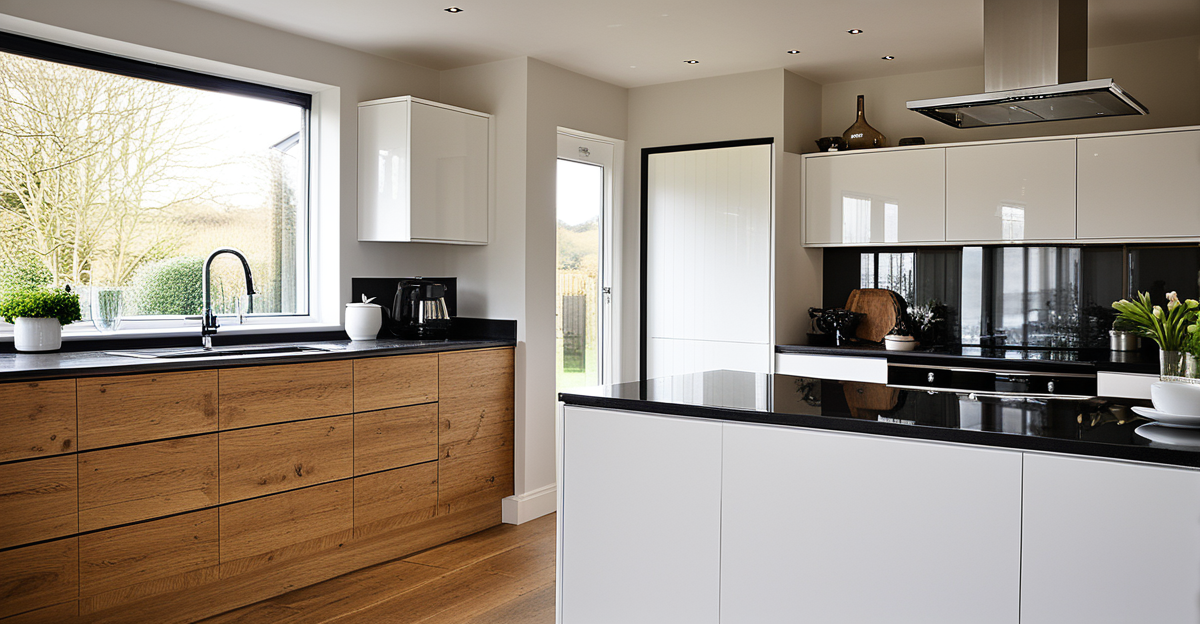
In kitchen minimalism UK, efficiency and clutter-free surfaces are paramount. Opt for clean cabinetry and integrate appliances neatly to sustain a streamlined look. Practical storage solutions such as pull-out shelves or hidden compartments maximise usability in typically compact British kitchens without compromising style.
Bathrooms in UK properties benefit immensely from minimalist approaches prioritising practicality. Clear surfaces, minimal fittings, and well-placed mirrors amplify space and light. Compact, wall-mounted units deliver essential storage without encroaching on precious floor space, aligning with the UK home decor basics of simplicity and function throughout the home.